

Understanding Gutter Installation in Arkansas
Gutter installation in Arkansas is a vital aspect of property upkeep, particularly given the region’s unique climate. https://notes.io/eZWek The state experiences a humid subtropical climate, with hot summers and mild winters. This means that gutter installations must be designed to manage both heavy rainfall and occasional severe weather events. In cities like Little Rock, where annual rainfall averages around 50 inches, appropriate gutter installation is vital to prevent water wear to homes and landscapes.
Qualified services for gutter installation in Arkansas are available throughout the state, with companies like AGM Gutters offering tailored solutions for area conditions. These services typically include assessing the home’s needs, selecting the right materials, and ensuring proper placement of downspouts and gutters. The process also involves checking for any existing damage and making necessary repairs before installation.
Arkansas climate plays a significant role in determining the best approach to gutter installation. The region’s unpredictable weather patterns, including sudden storms and temperature fluctuations, require gutters that can withstand these conditions. In cities like Fayetteville, where the terrain is more hilly, gutter systems must be customized to handle varying drainage needs. This ensures that water is effectively directed away from the home, preventing issues like basement flooding or foundation damage.
Common Gutter Types Used in Arkansas
In Arkansas, several types of gutters are commonly used, each with its own advantages and suitability for local conditions. K-profile gutters are the most popular choice due to their sleek design and ability to hold more water than other types. These gutters are often made from aluminum, which is lightweight, durable, and resistant to rust. In Fayetteville, where the terrain can affect water flow, K-shaped gutters are frequently recommended for their efficiency in managing runoff.
Another common option is curved gutters, which have a simple, curved shape. These gutters are often used in historic homes or areas where a more traditional look is desired. While they may not hold as much water as K-shaped gutters, they are easy to install and maintain. Aluminum alloy gutters are a popular choice in Arkansas due to their affordability and resistance to corrosion. They are also available in a variety of colors to match different home exteriors.
For homeowners in cities like Little Rock and Fayetteville, the choice of gutter type can impact both functionality and aesthetics. In areas with heavy rainfall, K-style gutters are often the preferred option due to their capacity and durability. However, in regions with more moderate weather, semi-circular gutters may be a suitable alternative. The selection of the right gutter type is essential to ensure long-term performance and minimize the need for frequent repairs.
How Arkansas Weather Impacts Gutter Installation
Arkansas weather has a direct impact on gutter installation, influencing everything from material selection to system design. The state experiences a wide range of weather conditions, including heavy rainfall, sudden storms, and temperature fluctuations. These considerations must be considered when planning and putting in a gutter setup to confirm it can handle the region’s unique climate.
Waterfall patterns in Arkansas vary by region, with Little Rock receiving the highest annual rainfall. This means that gutters in this area must be designed to handle large volumes of water efficiently. In cities like Springfield, where the climate is more moderate, the risk of extreme weather is lower, allowing for a broader range of material options. Still, even in these areas, proper installation is critical to prevent water harm.
Storm wear is another key consideration in Arkansas. Severe weather events, such as thunderstorms and tornadoes, can cause major damage to gutters and downspouts. In areas like Fort Smith, where storms are more frequent, it’s important to use durable materials and ensure that gutters are securely fastened to the home. This helps protect against damage and reduces the need for costly repairs.
Temperature fluctuations in Arkansas can also affect gutter performance. Sudden changes in temperature can cause materials to expand and contract, potentially leading to cracks or leaks. In cities like North Little Rock, where winters can be unpredictable, choosing materials that can withstand these conditions is essential. Proper installation techniques, such as using rust-proof fasteners, can further enhance the longevity of the gutter system.
Best Materials for Gutter Installation in Arkansas
Selecting the right supplies for gutter installation in Arkansas is crucial to ensure longevity and effectiveness in the region’s weather. Corrosion-resistant steel is a common option due to its power and resistance to corrode. This substance is perfect for locations with significant precipitation, such as Little Rock, where gutters must manage large volumes of moisture. Corrosion-resistant steel gutters are also famous for their longevity, making them a cost-effective selection for property owners.
Copper gutters are another option, giving both sturdiness and a special appearance. While they are costlier than other materials, bronze gutters can last for decades with limited attention. In cities like Fayetteville, where some homeowners prefer a time-honored style, brass gutters are commonly picked for their eternal appeal. However, they require frequent washing to preserve their visual and function.
Vinyl gutters are a affordable choice that is simple to set up and maintain. They are immune to oxidation and do not demand coating, making them a well-known selection for many property owners. In areas like Jonesboro, where the weather is more moderate, pvc gutters can be an successful method for handling rain. However, they could not be as sturdy as metallic choices in areas with heavy storms.
For property owners in Fort Smith, where the environment can be more unpredictable, selecting the right substance is essential. Zinc-coated steel and aluminium are often recommended for their skill to withstand changes in temperature and heavy rainfall. These materials supply a equilibrium of longevity and economy, making them a practical selection for many properties in the region.
Expense of Gutter Installation in Arkansas
The cost of gutter installation in Arkansas varies depending on several factors, including the kind of supplies used, the scale of the home, and the level of the installation. On average, homeowners can anticipate to pay between $3 and $7 per linear foot for expert installation process. https://md.sigma2.no/8QgqDaThSO-GpfgmgeKLJw In metropolitan areas like Little Rock and Fayetteville, where demand for gutter services is more, prices may be somewhat more due to area workforce and supply prices.
The variety of gutter system also influences the overall price. Continuous gutters, which are custom-fitted to the home, usually are costlier than traditional pre-formed gutters. However, they deliver a stronger and visually appealing option. In towns like North Little Rock, where property owners prioritize both usefulness and appearance, continuous gutters are commonly top pick.
Material choice has a important function in calculating the cost of gutter setup. Metal and coated steel are typically more cheap than copper or plastic products. Nevertheless, the long-term merits of superior substances, such as less service and extended existence, should be considered when performing a choice.
In locales like Jonesboro, where the environment is more mild, homeowners may find that the cost of gutter setup is slightly lower than in regions with more severe weather. This is due to the reduced need for custom supplies and setup techniques. However, even in these regions, it’s vital to allocate in a premium solution to ensure sustained functionality.
Procedures Involved in Skilled Gutter setup
Skilled gutter installation in Arkansas employs a structured procedure to ensure that the system is both functional and long-lasting. The initial stage is assessing and designing, where the installer assesses the home’s roofline, determines the appropriate gutter scale, and calculates the number of water pipes needed. This step is important in cities like Little Rock, where the amount of rainfall can differ substantially.
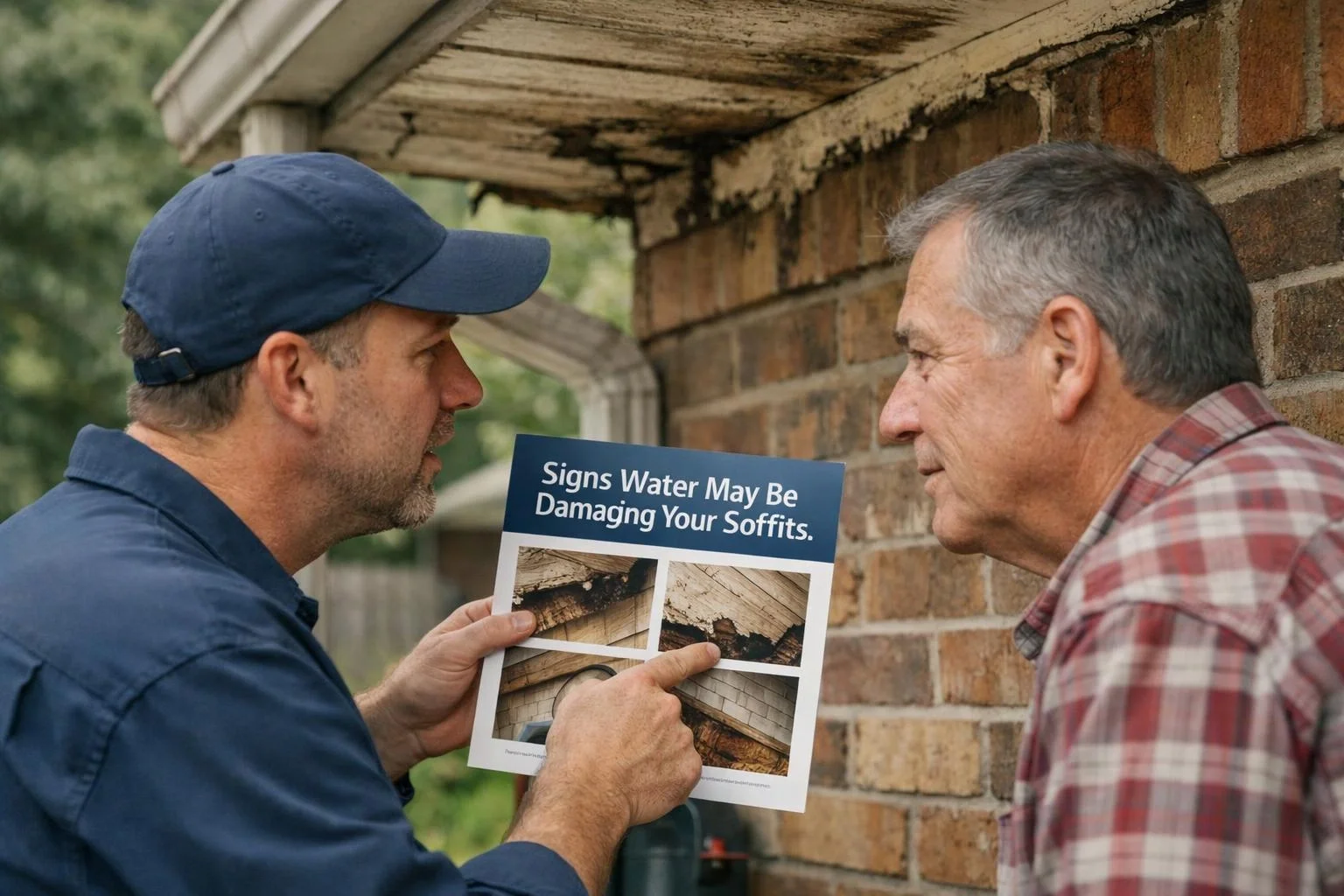
Subsequently, the installer will choose the best supplies based on the home’s needs and the local weather. In Fayetteville, where the ground can affect water movement, the decision of materials must be meticulously considered to make sure efficient drainage. Once the components are chosen, the mounting process starts, initiating with the fixing of the gutters to the home’s fascia board.
Water pipe positioning is another important stage in the installation method. Proper positioning makes sure that rainwater is guided away from the home’s base, avoiding challenges like cellar inundation or earth erosion. In towns like Springfield, where the environment is even temperate, water pipes are frequently set at strategic points to optimize runoff management productivity.
Continuous gutter units are a common choice in Arkansas, as they lower the chance of faults and provide a neater appearance, somewhat uniform look. These systems are custom-made to suit the home’s dimensions, making sure a exact match. In North Little Rock, where property owners typically emphasize both functionality and looks, unbroken gutters are a common choice.
After installation, the last stage consists of inspecting the unit to ensure everything is working accurately. This contains checking for proper alignment, tightening all fixings, and testing the runoff management unit. A thorough review supports identify any possible problems before they become major challenges.
Gutter Cleaning and Service in Arkansas
Consistent care and cleaning are essential for ensuring the longevity of gutter systems in Arkansas. The state’s heavy rain, especially in towns like Little Rock and Fayetteville, means that gutters can rapidly become filled with foliage, waste, and other materials. This can result in water running over, which can cause harm to the home’s foundation, structures, and outdoor space. https://writeablog.net/bikehall35/gutter-installation-in-arkansas-a-complete-guide-for-homeowners
Maintaining schedule is a key aspect in ensuring a operational gutter unit. In zones with heavy rainfall, such as Jonesboro, it’s suggested to service gutters at least twice a term—once in the first half and one time in the late season. This helps prevent clogs and guarantees that the setup can deal with the area’s weather properly.
Tree covers are an efficient answer for cutting the demand for ongoing cleaning. These guards are placed over the gutters and support stop waste from entering the unit. In cities like Fort Smith, where storms are greater common, plant guards can be a important investment to lower maintenance and avoid liquid injury.
In addition to maintenance, frequent inspections are necessary to discover any signs of damage or damage. In regions like Bentonville, where urban development is growing, it’s necessary to monitor the status of gutters to make sure they are functioning correctly. This consists of examining for spills, corrosion, and unsecured components, which can all influence the function of the setup.
By following a consistent care schedule and employing devices like leaf covers, property owners in Arkansas can prolong the duration of their gutter setups and cut the possibility of costly fixes. This is especially crucial in areas with great rainfall, where despite minor challenges can lead to substantial injury during period.
Arkansas Building Codes for Gutter Installation
Arkansas building codes for gutter installation vary by city and region, with specific guidelines ensuring that setups are both functional and secure. These codes are designed to safeguard property owners and make sure that gutters are installed in a way that minimizes the risk of water damage. In cities like Little Rock and Fayetteville, regional regulations frequently dictate the minimum size, placement, and materials used for gutters.
Protection requirements are a key part of these codes, calling for that gutters be securely fastened to the home and positioned to direct water away from the foundation. In areas like Springfield, where the climate is more moderate, these guidelines are still enforced to ensure that gutters can tackle the region’s weather conditions. This includes requirements for proper slope and drainage to stop water from pooling around the residence.
Regional regulations in cities like Fort Smith and North Little Rock may also include specific guidelines for downspout placement and the use of certain materials. For example, some areas may require that downspouts be extended at least 5 feet from the foundation to prevent water from seeping into the basement. These requirements help ensure that gutters are not only functional but also compliant with local safety standards.
In Bentonville, where urban development is increasing, building codes are often updated to reflect new construction practices and materials. This includes guidelines for the use of modern gutter systems that are more efficient and durable. Homeowners in this area should consult local authorities to ensure that their gutter installation meets all current regulations and standards.
FAQs About Gutter Installation in Arkansas
What are the most common types of gutters used in Arkansas?
In Arkansas, k-style gutters are the most commonly used due to their ability to hold more water and their sleek design. Aluminum gutters are also popular for their durability and affordability. In some areas, half-round gutters are chosen for their traditional look, especially in historic neighborhoods.
How do climate conditions in Arkansas affect gutter installation?
Arkansas has a humid subtropical climate with heavy rainfall, particularly in cities like Little Rock. This means gutters must be designed to manage large volumes of water. Temperature fluctuations and occasional storms also call for materials that can withstand these conditions, confirming long-term efficiency.
What materials are best suited for Arkansas weather?
Galvanized steel and aluminum are popular choices in Arkansas due to their durability and resistance to rust. Copper gutters are also used for their aesthetic appeal and longevity. Vinyl gutters are a spending plan-friendly option that works well in areas with moderate rainfall.
What is the typical cost of gutter installation in Arkansas?
The cost of gutter installation in Arkansas usually ranges from $3 to $7 per linear foot. Elements like material option, system complexity, and regional labor rates can affect the final price. Cities like Little Rock and Fayetteville may have slightly higher costs due to increased demand for solutions.
What are the steps involved in qualified gutter installation?
Qualified gutter installation in Arkansas includes measuring and planning, selecting the right materials, attaching the gutters to the home, and placing downspouts correctly. Seamless gutter systems are often used for their durability and clean appearance. A final inspection ensures the system is functioning properly.