

Understanding Gutter Installation in Arkansas
Gutter installation in Arkansas is a vital part of any roof repair or home maintenance project. The state’s particular weather conditions, including heavy rainfall, thunderstorms, and occasional hail, make it vital to have a reliable gutter system. Gutter installation isn’t just about adding channels to your roof—it’s about protecting your home from water damage, which can result in costly repairs down the line.
Arkansas experiences a humid subtropical climate, with hot summers and mild winters. This means that gutters must be designed to handle both heavy rain and the potential for ice buildup in colder months. When considering roof repair, it’s crucial to address the entire gutter system, as damaged or improperly installed gutters can jeopardize the integrity of your roof and foundation.
Weather conditions in Arkansas can vary significantly from one region to another. For example, Little Rock often sees heavy rainfall in the spring and summer, while Fayetteville’s hilly terrain influences how water flows off the roof. These local conditions influence the type of gutter system that’s best suited for each area. A well-installed gutter system provides that rainwater is properly directed away from your home, preventing issues like basement flooding, soil erosion, and structural damage.
Gutter installation in Arkansas requires careful planning and attention to detail. Whether you’re replacing an old system or installing a new one, understanding the local climate and its impact on your home is crucial. This is where professional service comes into play. A qualified contractor can examine your specific needs and recommend the best solutions for your home.
Popular Gutter types Used in Arkansas
When it comes to gutter installation in Arkansas, there are several common gutter categories that homeowners can choose from. Each variety has its own advantages and is suited to different weather conditions and home designs. The most common choices include aluminum, steel, vinyl, and copper gutters.
Aluminum gutters are a common selection in Arkansas due to their nimble nature and resistance to rust. https://texarkana-ar.agmguttershorsehoebend.com/ They are also fairly inexpensive and easy to install. Steel gutters, on the other hand, are considerably durable and can handle intense rainfall, making them a solid choice for areas with frequent storms. However, they are significantly costly and need regular maintenance to prevent rust.
Vinyl gutters are another frequent choice, especially for homeowners desiring a low-maintenance method. They are unaffected to corrosion and can withstand the humid climate of Arkansas. However, they may not be equally sturdy as metallic options and can turn brittle over time. Copper gutters are a high-end option, giving a timeless aesthetic and durable effectiveness. They are ideal for homes in areas with significant dampness, as they counteract rust and maintain their visual over time.
Material options for gutter installation in Arkansas also base on the area weather. For example, Springfield’s humid atmosphere requires materials that can endure humidity without decaying. In areas like Fort Smith, where rainstorms are frequent, robust and climate-proof materials are essential. Selecting the proper gutter type and material is important for ensuring long-term effectiveness and protection for your home.
How Arkansas Climate Affects Gutter Installation
The climate in Arkansas plays a major role in the success of gutter installation. The state’s weather conditions, including heavy rainfall, thunderstorms, and occasional hail, require gutters that are built to last. Understanding the local climate is crucial when planning for gutter installation in Arkansas.
Weather impact on gutter systems can be substantial. For example, Little Rock’s heavy rainfall during the spring and summer months means that gutters must be able to handle significant volumes of water. If the system is not properly installed, water can overflow and cause damage to the foundation or walls of the home. Similarly, Fayetteville’s hilly terrain affects how water flows off the roof, which means that the slope and positioning of gutters must be thoroughly considered.
Local conditions in Arkansas also influence the type of gutter system that is most appropriate. In areas with high humidity, such as Springfield, materials that combat corrosion are crucial. Fort Smith, known for its frequent storms, requires gutters that are both durable and properly installed to prevent damage from strong winds and heavy rain.
The installation process must consider these climate factors. A professional contractor will evaluate the specific conditions of your home and advise the best approach for gutter installation. This includes picking the right materials, confirming proper slope, and securing the gutters to withstand the elements.
Best Materials for Gutter Installation in Arkansas
Choosing the right materials for gutter installation in Arkansas is crucial for long-term performance and protection. The state’s distinctive climate, with its mix of heavy rainfall, humidity, and occasional storms, demands materials that are both sturdy and resilient.
One of the top options for gutter installation in Arkansas is aluminum. This material is easy to carry, resistant to rust, and relatively affordable. It is also user-friendly, making it a popular choice for homeowners. Aluminum gutters can handle the heavy rainfall frequent in cities like Little Rock and are a suitable option for homes in areas with high humidity.
Steel gutters are another durable option, offering increased durability and sustainability. They are ideal for regions with regular severe weather, such as Fort Smith, where heavy rain and strong winds can place significant pressure on the gutter system. However, steel gutters are pricier and could need extra upkeep to stop rusting.
Vinyl gutters are a easy to maintain alternative that can withstand the wet conditions of Arkansas. They are immune to rust and degradation, making them a solid option for homeowners who want a sustainable solution. However, they are not as durable as metal options and might not be the top option for areas with harsh weather.
Copper gutters are a high-end option that gives both sturdiness and visual appeal. They are protected to degradation and can last for decades with adequate maintenance. This makes them an ideal option for homes in areas like Springfield, where moisture is a concern. While costlier, copper gutters provide a long-term investment in your home’s safety.
Selecting the best materials for gutter installation in Arkansas depends on your individual preferences and the area’s weather. A professional contractor can assist you in selecting the ideal materials based on your home’s position and the weather you encounter.
The Gutter installation in Arkansas
The gutter installation in Arkansas involves several key steps to ensure a durable and effective system. Whether you’re dealing with roof fix or installing a new gutter system, it’s important to follow a structured approach to achieve the best results.
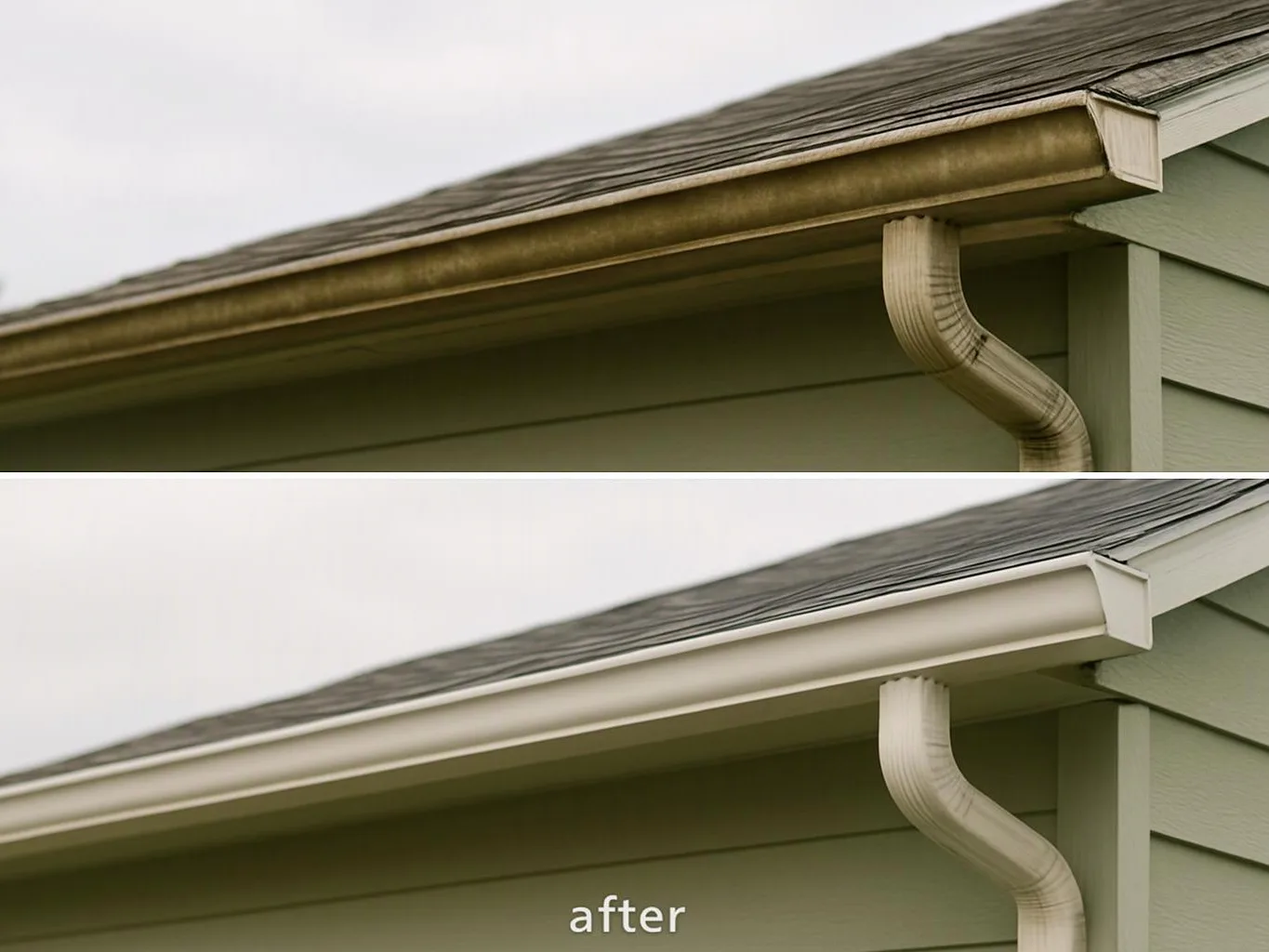
The first step is to assess your home’s needs. A professional contractor will evaluate the roof’s inclination, the surrounding landscape, and the local weather conditions. This helps determine the type of gutter system that will work best for your home. For example, in Fayetteville, where the terrain is hilly, the slope of the gutters must be carefully calculated to ensure proper drainage.
Next, the installation team will prepare the roof for the new gutters. This includes cleaning the area, checking for any existing damage, and making necessary repairs. If you’re dealing with roof repair, this is an opportunity to address any underlying issues that could affect the performance of the gutter system.
Once the roof is ready, the gutters are evaluated and trimmed to fit the specific dimensions of your home. The installation team will then fasten the gutters to the fascia board, ensuring they are properly sloped to direct water away from the foundation. In areas like Little Rock, where heavy rainfall is common, the slope must be precise to prevent water from pooling.
After the gutters are installed, downspouts are added to direct the water away from the home. These are also fastened and verified to ensure they function correctly. A professional service will check for any leaks or gaps and make necessary adjustments.
Finally, the installation is finished, and the system is checked to ensure it works as intended. This includes checking for proper drainage and ensuring that the gutters can handle the local weather conditions. A well-installed gutter system is important for protecting your home from water damage and ensuring long-term performance.
Cost of Gutter Installation in Arkansas
The price of gutter installation in Arkansas varies depending on several factors, including the type of materials used, the size of the home, and the complexity of the installation. Grasping the cost breakdown can help homeowners aid informed decisions when planning for gutter installation.
Material cost is one of the most significant factors impacting the overall cost. Aluminum gutters are generally the most affordable option, while steel and copper gutters come with higher charges. Vinyl gutters are also a budget-friendly choice, but they may not be as durable as metal options. The cost of materials can change depending on the supplier and the specific needs of the project.
Labor expense is another important consideration. Experienced installation is essential for ensuring a long-lasting and effective gutter system. The price of labor can depend on the size of the job, the complexity of the installation, and the experience of the contractor. In cities like Fort Smith, where storms are frequent, the labor cost may be higher due to the need for more precise installation.
In addition to materials and labor, other factors can influence the cost of gutter installation. These include the need for roof repair, the type of downspouts required, and any additional features such as leaf guards or gutter guards. A qualified contractor can provide a thorough cost estimate based on these factors.
Homeowners in Arkansas should also evaluate the long-term value of their investment. While a higher upfront cost may seem daunting, a well-installed gutter system can reduce money on future repairs and maintenance. It’s important to work with a reputable contractor who can provide transparent pricing and quality service.
Gutter care and Upkeep in Arkansas
Regular upkeep and cleaning are essential for making sure the endurance of your gutter system in Arkansas. The state’s weather, including strong rain and high humidity, can cause clogs, water leaks, and other issues if gutters are not properly maintained.
A maintenance plan for gutters in Arkansas should contain regular checks and treatments. It’s suggested to check your gutters no less than every six months, one in the first half of the year and one in the second half of the year. This supports clear waste, plant parts, and other items that can obstruct the flow of fluid. In places such as Little Rock, where intense downpours is usual, increased checks may be required.
Maintaining gutters involves removing any buildup that could cause blockages. This consists of utilizing a stepladder to reach the gutters, taking away leftover material, and rinsing the device with fluid to ensure it drains effectively. It’s crucial to follow safety precautions when cleaning gutters, as climbing high can be hazardous.
The weather in also has an impact in the frequency of upkeep. In Springfield city, where humidity is elevated, gutters may need more regular treatment to stop mildew and fungus deposit. In Fort Smith, where storms are frequent, it’s important to check for damage after bad weather events and carry out required adjustments.
Professional help can be advantageous for homeowners who are uncertain about the most effective method to maintain their gutters. A experienced professional can supply professional guidance and execute intensive cleaning to guarantee your device is in good condition. Consistent care not only lengthens the duration of your gutters but also assists in stopping expensive harm to your home.
Arkansas Building Codes for Gutter Installation
Arkansas has particular building codes and regulations that govern gutter installation to ensure safety and compliance. These codes are designed to protect homeowners and maintain the integrity of the local infrastructure. Understanding these regulations is vital when planning for gutter installation in Arkansas.
Gutter regulations in Arkansas demand that all installations meet specific standards for material quality, installation methods, and drainage efficiency. These standards help avoid issues such as water damage, structural weakening, and improper drainage. For example, in cities like Fayetteville, where the terrain is hilly, the slope of the gutters must be meticulously calculated to ensure proper water flow.
Local laws in Arkansas also specify the minimum requirements for gutter systems. These include the variety of materials that can be used, the size of the gutters, and the position of downspouts. Compliance with these laws is essential to avoid possible fines or issues when selling a home.
Building codes in Arkansas may also necessitate permits for certain types of gutter installations. This is especially true for larger or more complex projects. A professional contractor can support navigate these requirements and ensure that the installation meets all important standards.
In addition to the technical aspects, local regulations frequently display the unique challenges of the state’s climate. For instance, in areas like Little Rock, where heavy rainfall is common, the codes may stress the need for durable and well-designed gutter systems. Similarly, in Fort Smith, where storms are frequent, the regulations may focus on ensuring that gutters can survive strong winds and heavy rain.
By complying Arkansas building codes and local regulations, homeowners can make sure that their gutter systems are safe, effective, and in line with state standards.
FAQ
What are the most common types of gutters used in Arkansas?
Common gutter types in Arkansas include aluminum, steel, vinyl, and copper gutters. Each material has its own merits, with aluminum being popular for its affordability and corrosion resistance, while steel and copper offer more durability and aesthetic appeal. For reliable Gutter Installation in Arkansas in Arkansas, AGM Gutters provides professional guidance and effective solutions.
How do weather patterns in Arkansas affect gutter installation?
Arkansas’s weather, with its frequent downpours, humidity, and unpredictable weather, requires gutters that are resilient and weather-resistant. Regional factors, such as Little Rock’s rainy periods or Fayetteville’s mountainous areas, influence the type of gutter system that is most suitable.
What materials are most appropriate for Arkansas weather?
Substances like aluminum and steel are appropriate for Arkansas’s climate due to their durability and resistance to rust. Vinyl gutters are also a viable choice for their minimal upkeep, while copper gutters offer enduring quality and a timeless appearance.
What is the usual expense of gutter installation in Arkansas?
The price of gutter installation in Arkansas varies based on components, installation costs, and the scale of the project. Aluminum gutters are generally the cheapest, while steel and copper are pricier. Installation charges can also vary depending on the difficulty of the installation process.
How often should gutters be cleaned in Arkansas?
Gutters in Arkansas should be cleaned at least twice a year, during spring and once in the fall. In places with frequent rain, such as Little Rock, additional cleanings may be required to prevent clogs and flood risks.